

Cyprus has become one of the most attractive destinations for people looking to live, work, invest and raise a family.
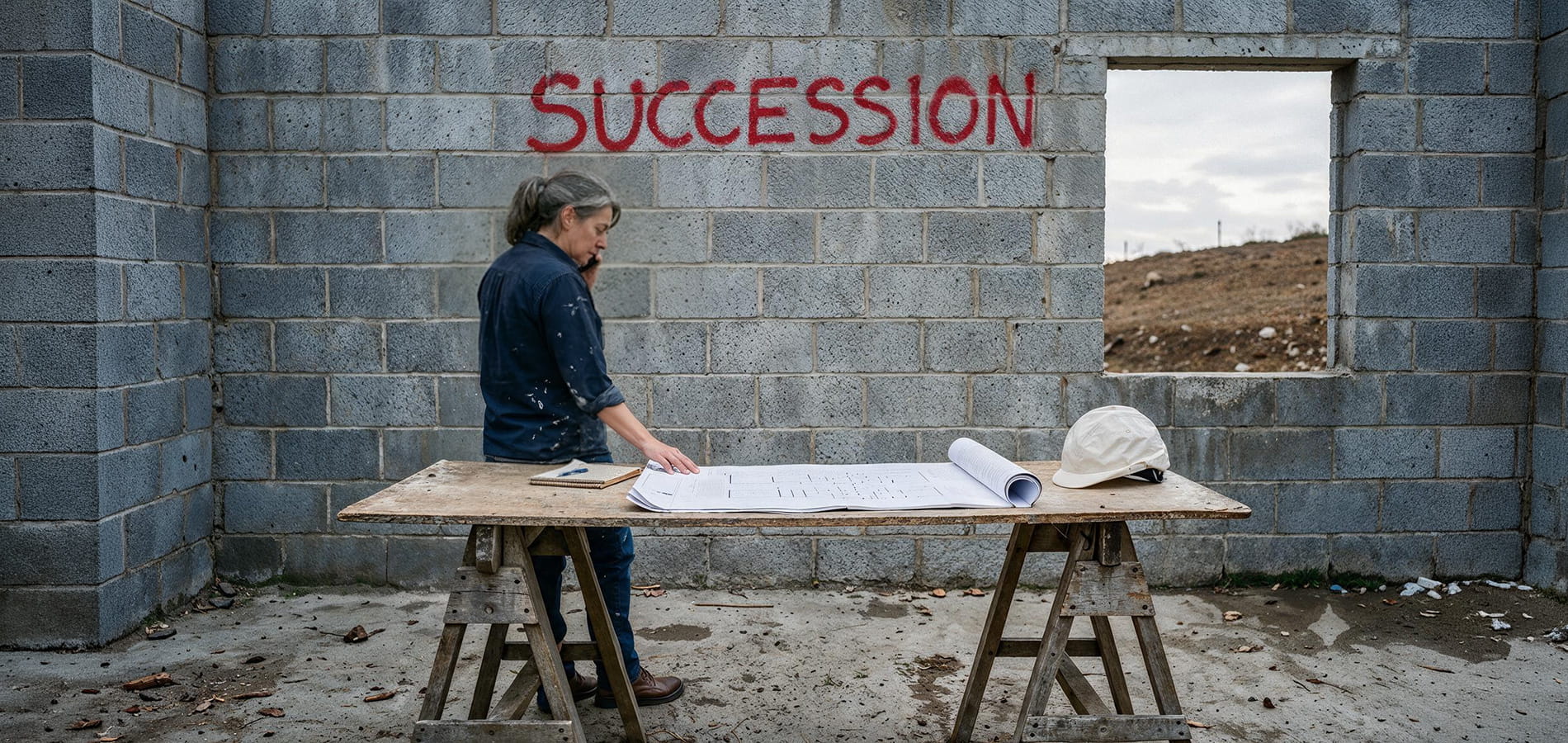
The Business Nobody Can Inherit : Why healthy businesses die with their founders
The article below was assigned to our summer 2026 intern, Rafael Khalil, and was written under the close supervision of our Team. Rafael explores the structural vulnerabilities of small and family-owned businesses, examining why so many fail to survive beyond their founders. Through a compelling analysis of how founders become trapped by their own indispensability, he highlights how total control ultimately prevents a business from outliving its creator. It is a timely and insightful piece that sheds light on succession challenges in economies like Cyprus, offering a thoughtful perspective on the heavy price of sole proprietorship and the difficult choice between going fast alone or going far with others. In a reflective and mature manner, Rafael wonders whether the ultimate trap of success is building something so dependent on yourself that it cannot survive your absence.

How does climate change impact on Global economies & International trade?
The article below was assigned to our summer 2026 intern, Wang Hairui (Luke), and was written under the close supervision of our Team. Luke, who attends the Heritage Private School in Cyprus and is soon entering his final year, explores one of the most pressing global challenges of our time: the impact of climate change on global economies and international trade. Through an engaging combination of geographical and economic analysis, he examines how rising temperatures, extreme weather events and environmental disruptions are increasingly affecting supply chains, agricultural production, trade routes and economic stability across the world. It is a thought-provoking and highly relevant article that highlights the growing connection between our planet’s physical environment and the global economy, offering valuable insights for readers of all ages.
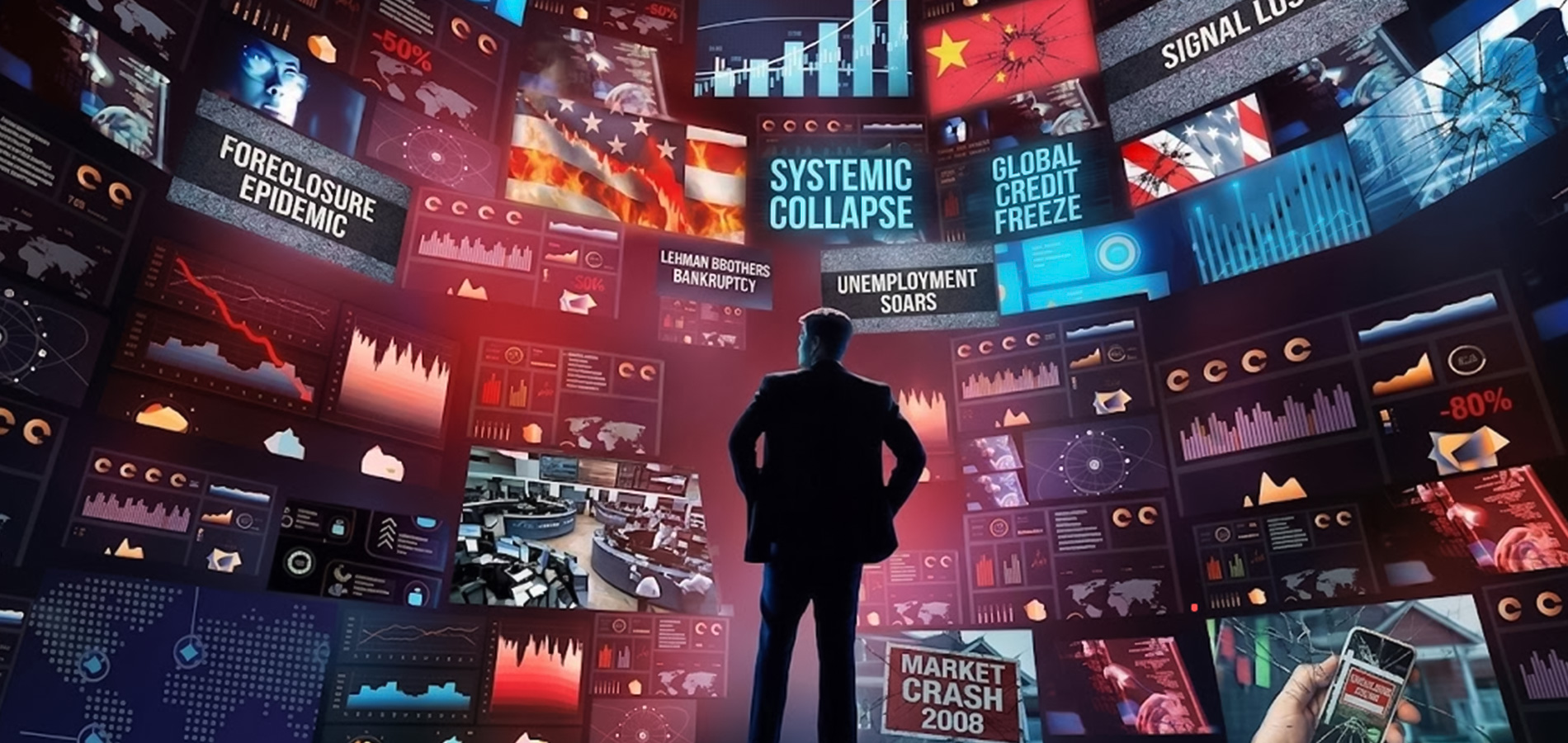
THE BIG SHORT
In light of the recent, very interesting AI seminar our office hosted in house regarding the use of AI tools in the workplace, we asked our newest team member to prepare an article exploring artificial intelligence and more specifically, its potential impact on critical thinking.
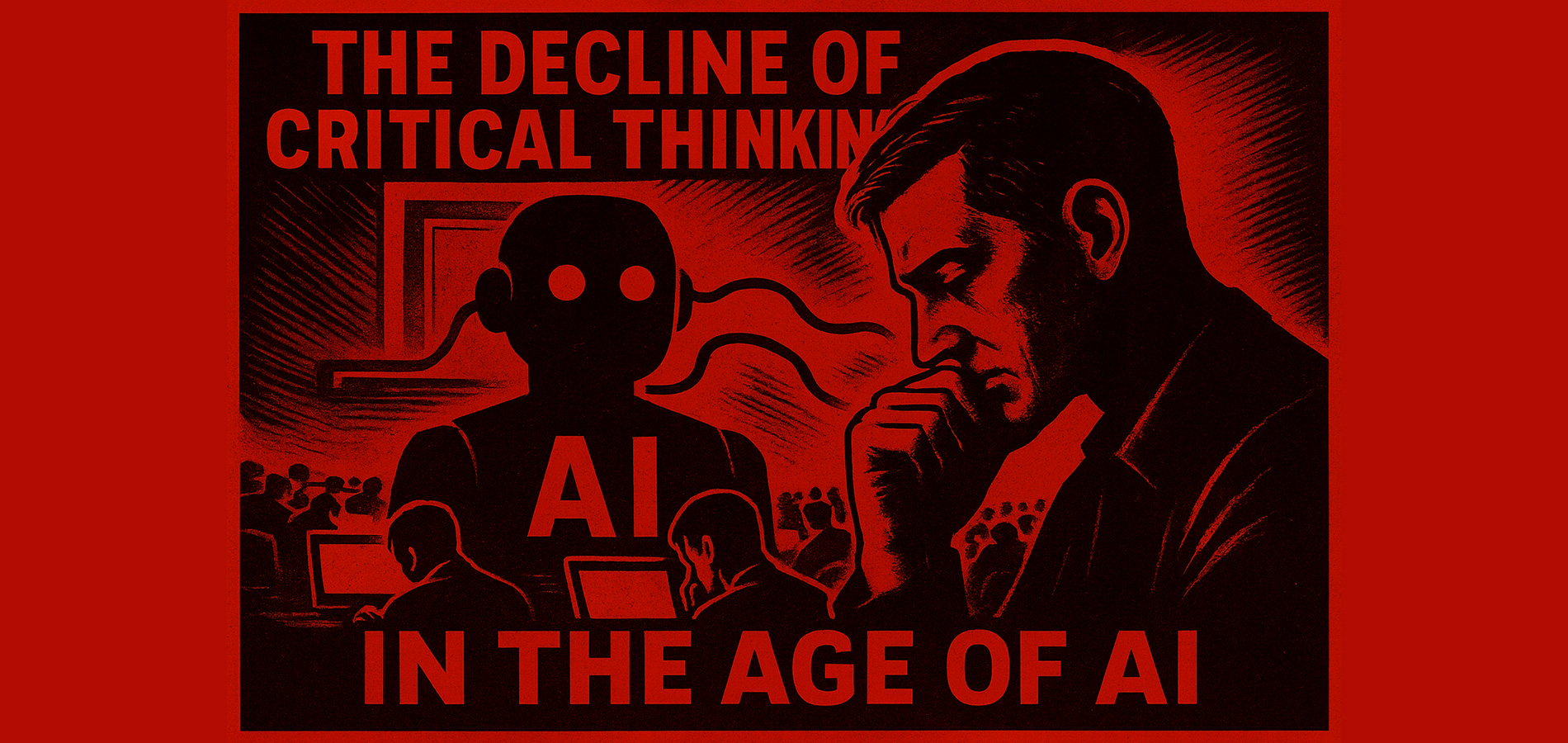
The Decline of Critical Thinking in the Age of AI
In light of the recent, very interesting AI seminar our office hosted in house regarding the use of AI tools in the workplace, we asked our newest team member to prepare an article exploring artificial intelligence and more specifically, its potential impact on critical thinking.

Τα «αόρατα» δισεκατομμύρια των ΜΕΔ
Τα τελευταία χρόνια, η δημόσια συζήτηση γύρω από τα μη εξυπηρετούμενα δάνεια (ΜΕΔ) στην Κύπρο επικεντρώνεται σχεδόν αποκλειστικά στο τραπεζικό σύστημα. Οι τίτλοι των ειδήσεων μιλούν για εντυπωσιακή μείωση των ΜΕΔ των τραπεζών, για καθαρούς ισολογισμούς και για «success story». Πράγματι, με βάση τα τελευταία στοιχεία της Κεντρικής Τράπεζας, οι μη εξυπηρετούμενες χορηγήσεις των τραπεζών έχουν μειωθεί σημαντικά, φτάνοντας τα €1,5 δισ. και ποσοστό μόλις 5,9% του συνόλου των δανείων που υφίσταται στο τραπεζικό σύστημα. Εντούτοις αυτό αποτελεί μόνο ένα μικρό μέρος της αλήθειας και του παζλ των ΜΕΔ. Ενώ οι τράπεζες φαίνεται να εξυγιαίνονται, τα μη εξυπηρετούμενα δάνεια δεν έχουν εξαφανιστεί. Αντιθέτως, έχουν «μεταφερθεί» σε έναν άλλον τομέα της οικονομίας στις Εταιρείες Εξαγοράς Πιστώσεων, οι οποίες λειτουργούν υπό την εποπτεία της Κεντρικής Τράπεζας και διαχειρίζονται ΜΕΔ ύψους σχεδόν €20 δισ.
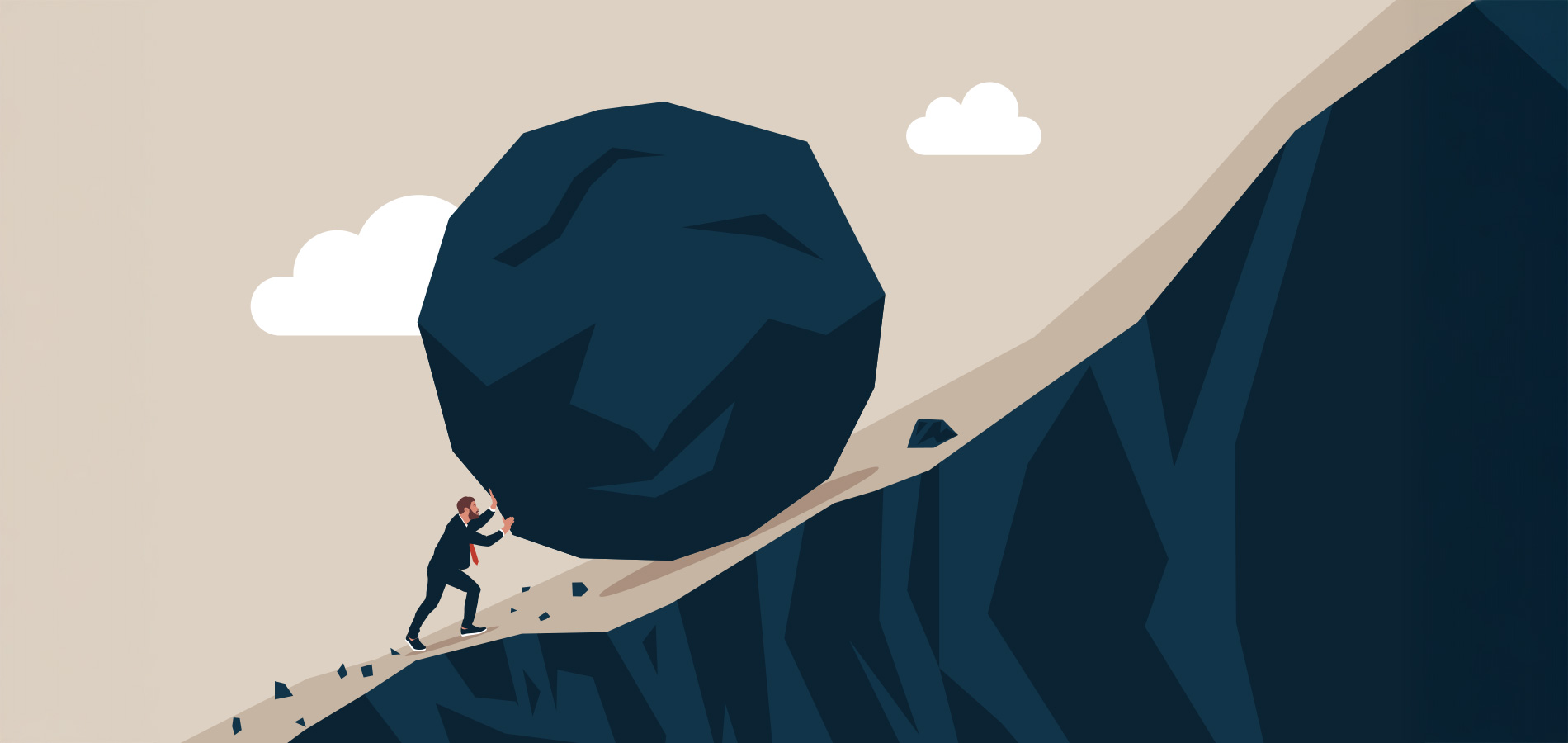
What Can Camus Teach Us About Capitalism?
Nala the cat is worth more than you. More than me. More than most people alive. With more than 4 million followers and a net worth north of $100 million, this grey-furred feline makes more money than most professors, doctors, engineers, hell, probably your entire extended family combined. Hearing that, most people would usually respond with something like: “That’s capitalism for you.” Or “How’s that fair?” And they’re right. It’s not. It’s absurd.

Scrolling at Work: Slacking Off or Productivity Hack?
Let’s start with the obvious. What is scrolling? Scrolling refers to the act of continuously moving through digital content like social media feeds or apps – usually on a phone or computer.

Stylometrics: Economy in Stitches
If you’re chronically online like most youths nowadays, you will have noticed the emergence of several micro-trends on platforms like TikTok, Pinterest, and Instagram for so-called ‘mob wife’, ‘old money’, and ‘tradwife’ aesthetics – fashion movements towards classically conservative styles. And if you follow financial news, you might also have seen sources like Forbes anticipating a potential recession by looking at traditional indicators like global Gold & Oil prices and consumer confidence surveys. Coincidence? I think not: these things are more connected than you may think. Sounds crazy, but the explanation is surprisingly simple.

How Social Media is Quietly Rewriting the Economy – And Could Innovation Be a Casualty?
The rise of social media, influencer culture, and algorithm-driven success has pushed people away from passion, art, and craftsmanship, replacing depth and true meaning with lifeless performance, ultimately reinventing and reweaving the job market.

